
Why Dermatologists Love Tranexamic Acid for Pigmentation
16.01.2026

Skincare is no longer just about fixing what’s already visible. The industry has shifted toward prevention—supporting the skin before damage becomes permanent. And when it comes to pigmentation, few ingredients embody this approach better than Tranexamic Acid.
Rather than simply fading dark spots after they appear, Tranexamic Acid works at a deeper, biological level to interrupt the pathways that cause pigmentation in the first place. It doesn’t just correct—it helps prevent future discolouration, making it a cornerstone of modern skin health strategies
What Is Tranexamic Acid?
Tranexamic Acid (TXA) was originally developed for medical use to reduce inflammation and regulate bleeding. In dermatology, its ability to calm inflammatory responses led to a major breakthrough: inflammation is one of the key triggers for pigment production.
When applied topically in skincare, TXA targets the communication between skin cells that signals melanin production. In simple terms, it helps stop excess pigment before it forms.
The result? More even tone over time, fewer flare-ups, and greater resistance to future discolouration.
Why Dermatologists Love Tranexamic Acid
Dermatologists value ingredients that deliver results without compromising the skin barrier. Tranexamic Acid has become a go-to in pigmentation protocols because it is:
Clinically proven – TXA is supported by strong research for treating melasma, post-inflammatory hyperpigmentation, and uneven skin tone.
Gentle yet effective – It offers significant brightening benefits without the irritation, peeling, or rebound pigmentation associated with harsher treatments.
Safe for long-term use – Ideal for chronic pigment conditions that require ongoing management rather than short-term correction.
Barrier supportive – Its anti-inflammatory properties help calm redness and protect skin integrity, reducing the risk of pigment returning.
This is why TXA is frequently recommended in professional treatments and post-procedure skincare, where controlling inflammation is essential to prevent unwanted pigmentation.
How Tranexamic Acid Works at the Source
Most brightening ingredients act on the surface of the skin. Tranexamic Acid works deeper, interfering with the biological cascade that stimulates melanin production.
It:
Blocks the interaction between keratinocytes and melanocytes that triggers pigment formation
Reduces inflammation that leads to pigment flare-ups
Helps prevent new discolouration from UV exposure, acne, and skin trauma
This makes TXA especially powerful for pigment that is persistent, reactive, or hormonally influenced.
Our Favourite TXA Serums:
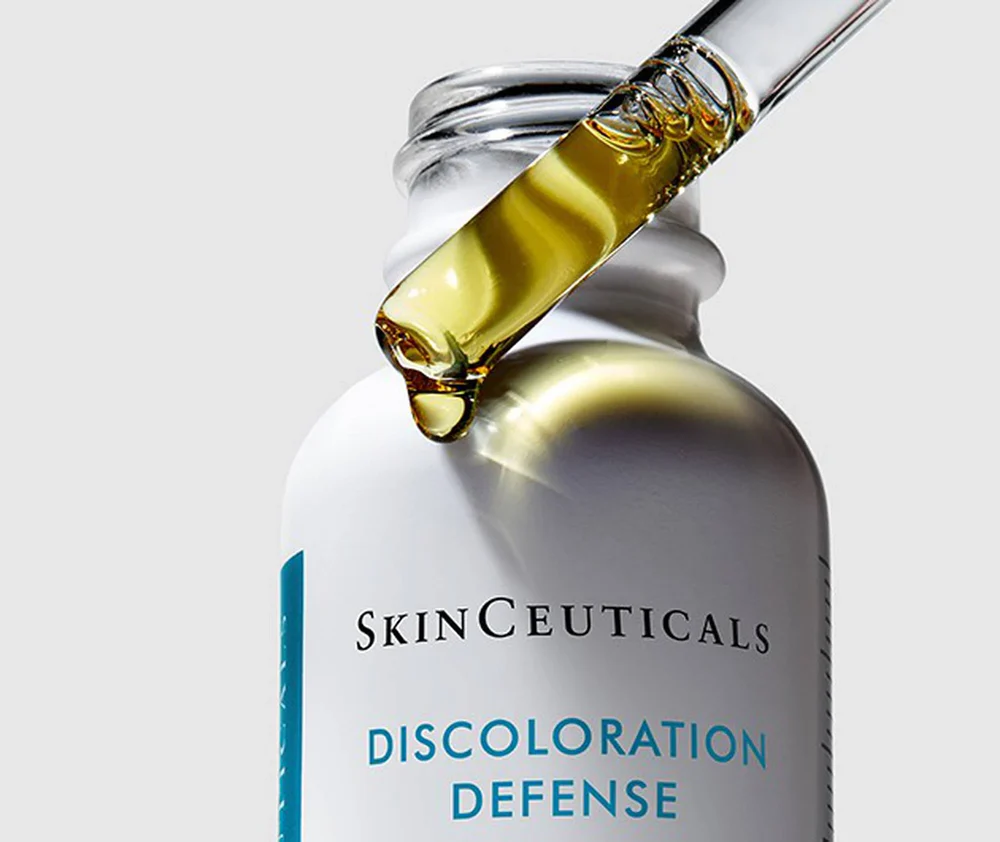
SkinCeuticals Discoloration Defense
Your option for sensitive, acne-prone or redness-prone skin.
Discolouration Defense uses niacinamide, tranexamic acid and kojic acid, plus gentle enzymatic exfoliators to refine texture without irritation. Perfect for post-inflammatory pigmentation, breakout marks and redness that often comes with pigment.

Alastin A-Luminate Brightening Serum
A brightening serum with added skin-firming benefits.
A-Luminate It pairs tranexamic acid with a peptide complex, targeting pigment pathways while supporting collagen for a smoother, firmer-looking complexion.
A great choice if you want brightening plus anti-aging in one step.
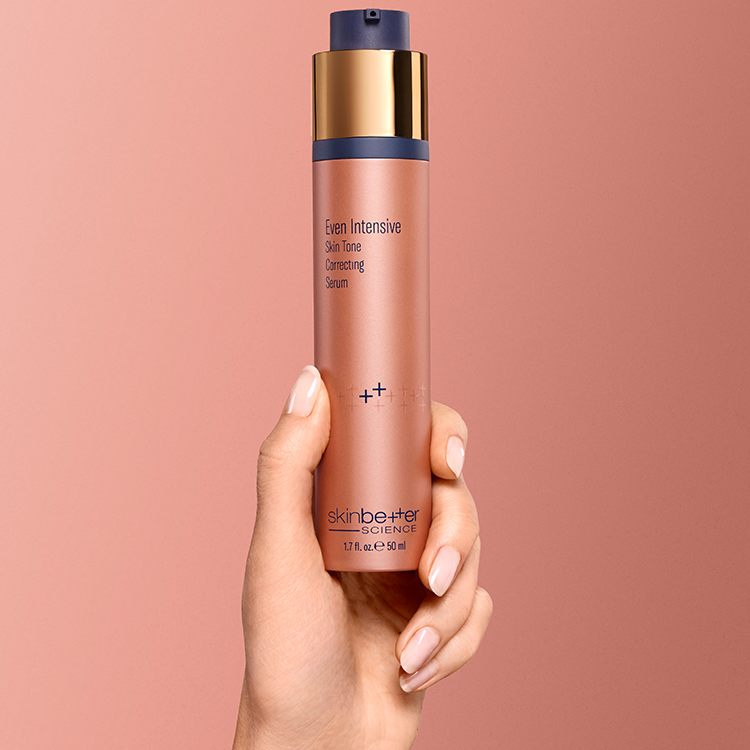
SkinBetter Science Even Tone Intensive Correcting Serum
Even Tone Intensive Correcting Serum combines arbutin, tranexamic acid, vitamin C and an AHA blend to resurface, brighten and target stubborn pigmentation. If your pigment sits deeper or your skin needs a stronger resurfacing approach, this is the one for you.
Even Skin Tone. Radiant Complexion. Long-Term Results. This high-performance skin brightener is clinically proven to reduce the appearance of unwanted discolouration and visibly improve skin clarity. With continued use, it not only corrects but helps prevent future pigmentation—revealing a more...

Daily dark spot corrector targets visible skin discolouration for brighter, more even-looking skin. Clinically proven to reduce key types of discolouration, this serum is effective on all skin tones, including stubborn brown patches and post-acne marks. Formulated with 3% tranexamic...

Breakthrough solution for stubborn discoloration and dark marks combines two cutting-edge biotechnologies, b.r.y.t.e.r. and TAP, to help visibly correct persistent discoloration for a more luminous, even complexion. Returning Customer? Log into your account here Use the email from...

Key Skin Benefits
Corrects Existing Pigmentation
Tranexamic Acid gradually lightens dark spots, post-acne marks, and sun damage without disrupting the skin barrier.
Prevents Future Discolouration
By targeting the inflammatory pathways that cause pigment, TXA reduces the likelihood of new dark patches forming—making it as much a preventative ingredient as a corrective one.
Supports Melasma Management
Melasma is one of the most challenging pigmentation conditions to treat. TXA is one of the few ingredients shown to improve melasma while helping prevent recurrence when used consistently.
Calms Redness & Strengthens the Barrier
Healthy skin is more resistant to pigment. Tranexamic Acid’s anti-inflammatory action supports long-term skin resilience and reduces reactivity.
How to Use Tranexamic Acid in Your Routine
Tranexamic Acid is most commonly found in serums, lotions, and professional-grade formulations. It can be used morning and evening and layered easily into existing routines.
For best results:
Apply to clean, dry skin after cleansing
Follow with hydrating, barrier-supporting products
Always use daily SPF—sun protection is essential for pigment prevention
Many advanced formulas pair TXA with niacinamide, peptides, vitamin C, or gentle exfoliants to enhance brightness while supporting skin health.
Who Is Tranexamic Acid Best For?
Tranexamic Acid is ideal for:
Melasma and hormonally driven pigmentation
Post-acne marks and post-treatment discolouration
Sun damage and uneven tone
Redness-prone or sensitive skin
Anyone seeking preventative pigment control, not just correction
It is also widely recommended in professional skin treatment plans where minimising post-inflammatory pigmentation is critical.